01The challenge
Grants were processed by hand, receipts checked manually and trustees had no clear audit trail.
02What we built
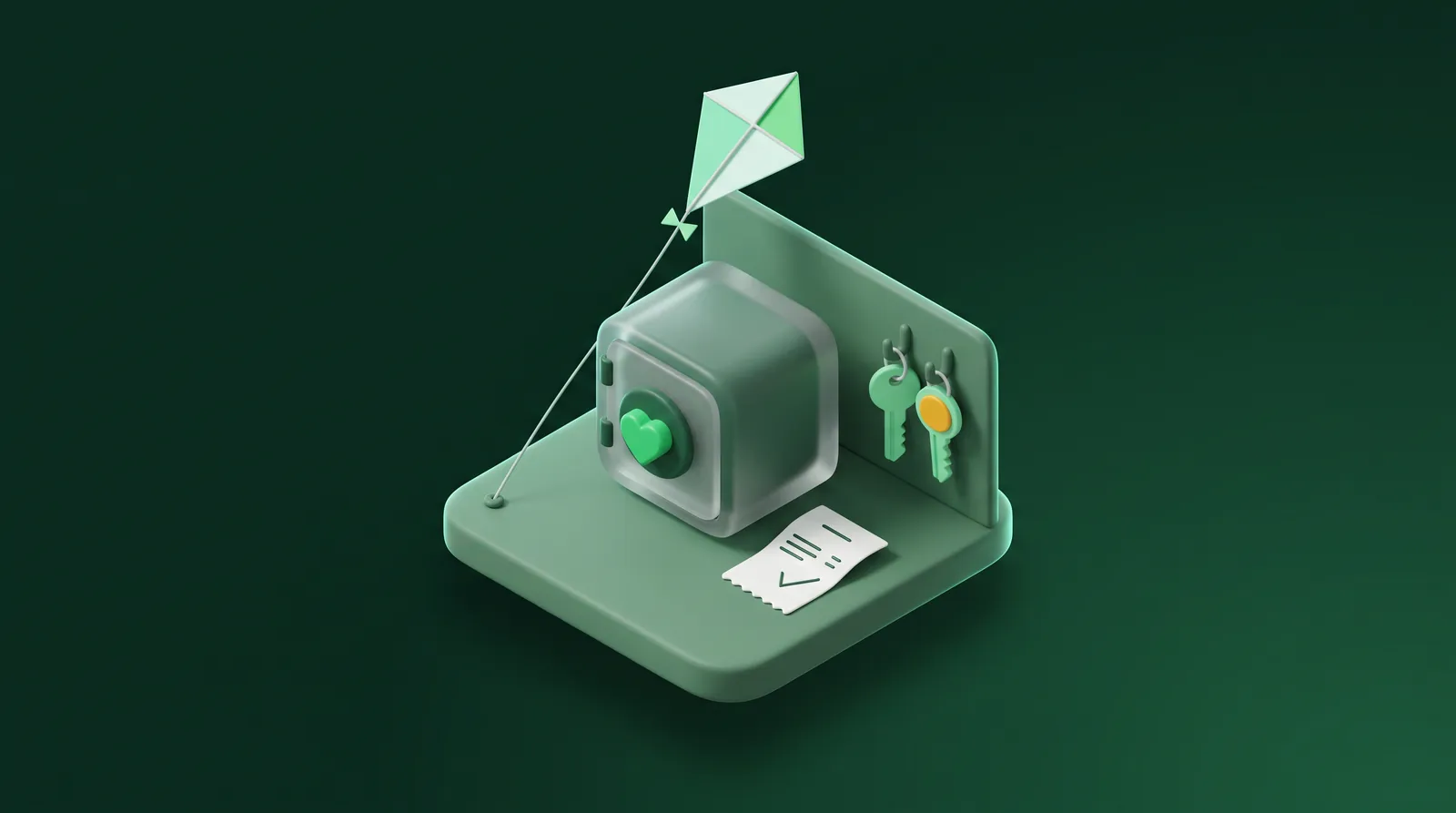
An end-to-end grant platform with AI receipt validation, dual approval, a visual workflow board and a live finance dashboard.
- Processing from about an hour to 30 seconds per application
- Full audit trail for trustees
- Rated 5.0 out of 5 for ease of use
03The result
AI receipt checks and dual approval took grant processing from an hour to 30 seconds.
- 1 hr to 30 sec per application
- 5.0 out of 5 rated for ease of use
Children's charity
Secure hardship-grant platform
AI receipt checks and dual approval took grant processing from an hour to 30 seconds.
- per application
- 1 hr to 30 sec
- per application
- rated for ease of use
- 5.0 out of 5
- rated for ease of use













“We worked with Upstride to develop the Buddy Fund portal for the Buddy Bag Foundation, which provides financial support to families fleeing domestic abuse as they move into permanent accommodation.”
01 / 10
FAQs
Frequently asked questions
Straight answers to what businesses ask us most. Anything else, just ask.
How to use artificial intelligence in business?
To use artificial intelligence in business effectively, start by mapping your existing processes to identify where time and money are lost before introducing any technology. Practical adoption begins small by automating focused tasks like quote follow-ups, customer reactivations, or connecting paid AI assistants to internal files and email. Up-Stride designs systems around real operational needs, treating AI as an efficiency tool rather than a standalone IT product.
What is an AI automation agency?
An AI automation agency plans, builds, and delivers systems that connect existing business software to automate manual workflows and data handling. Rather than simply selling software licences, an agency like Up-Stride identifies operational bottlenecks, creates custom automated workflows or AI agents, and integrates core tools like CRM and ERP systems. This eliminates repetitive administrative tasks so existing teams can handle higher operational volume.
What is AI implementation?
AI implementation is the process of integrating artificial intelligence models, automated workflows, and smart tools directly into day-to-day business operations. It involves process mapping, data preparation, building bespoke tools or agents, and embedding them into existing software systems to ensure staff can use them seamlessly. Up-Stride approaches implementation business-first, proving measurable value on a focused project before scaling systems across an organisation.
Is AI worth it for small business?
Yes, AI is worth it for small businesses when it targets specific operational bottlenecks rather than general experimentation. Automating routine tasks such as compliance paperwork, lead follow-ups, and data entry allows lean teams to scale their capacity without increasing headcount. At Up-Stride, implementations focus on measurable operational outcomes, such as cutting application processing times or speeding up certification turnarounds.
What is the typical return on investment for a UK SME that invests in professional AI implementation to streamline their operations?
Return on investment for a UK SME depends on targeting operational friction where delays directly limit revenue or consume excessive staff hours. For example, Up-Stride built a bespoke ERP for a fire protection contractor that enabled same-day safety certification turnaround and unlocked major NHS and facilities management contracts. For a domestic-abuse refuge charity, automated receipt validation cut grant processing time from about an hour to 30 seconds per application.
Which AI implementation strategy is best for a British SME that wants to improve efficiency without disrupting current staff workflows?
The best strategy is to fix and map your existing processes first, then implement a single, focused automation project rather than attempting an immediate company-wide overhaul. Up-Stride recommends starting with a contained use case, proving its value with real performance numbers, and gradually connecting tools like email and files into staff workflows. This phased approach allows employees to adopt automated support naturally without disrupting day-to-day commercial operations.
What are the main differences between hiring a specialist UK AI consultancy for small businesses versus just trying to use off the shelf tools myself?
Off-the-shelf AI tools operate as standalone applications that often leave staff switching between disconnected tabs and manually copying data. A specialist consultancy like Up-Stride maps how your business actually works and builds integrated operating systems that connect your CRM, ERP, and communication channels. Additionally, a dedicated partner ensures enterprise-grade data privacy, separating client records and embedding automated workflows tailored to specific commercial goals.
Can you compare the costs and implementation timelines for off the shelf AI tools versus bespoke solutions for a growing UK business?
Off-the-shelf AI tools offer immediate, low-cost subscription setups but often create fragmented workflows and ongoing manual work as operational complexity increases. Bespoke solutions require an upfront delivery timeline to map processes and build connected operating systems, but they eliminate third-party per-spend platform fees and integrate directly with core data. Up-Stride evaluates operational requirements to ensure growing businesses build scalable infrastructure only where custom systems provide clear commercial value.
How can I justify the investment in an AI implementation partner to my board if we have a limited budget and need to see a clear return on investment?
Justify the investment by proposing a business-first pilot project that targets one high-friction bottleneck with measurable operational outcomes. Up-Stride offers a free initial consultation and proposal with no obligation, allowing leadership teams to review a scoped delivery plan before committing capital. Proving tangible operational savings or capacity gains on a single workflow provides the concrete evidence boards require before scaling further investment.
How can AI automate business processes?
AI automates business processes by capturing inputs, extracting critical information, and triggering end-to-end actions across connected business systems without manual data entry. For instance, Up-Stride built an end-to-end grant platform with AI receipt validation and visual workflows that reduced processing from an hour to 30 seconds per application. By linking customer records, internal databases, and communication channels, AI agents and workflows execute routine operational steps instantly.
Free consultation
Discover your AI potential.Book a free consultation.
A free session to map where AI can take your business, and the plan to get there.
You leave with:
A taste of how we work: meet us, see how we approach your business, and leave with something to consider.
- A chance to meet Mark and Tom
- AI insights for your business
- A phased AI roadmap
- A short written report to take away
- A strategic business proposal
- Your AI questions answered
- Pick it up again whenever you're ready
Book free consultation
No obligation. The only cost is your time.
 Mark Blake · Strategy and systems
 Thomas McElroy · Creative and AI